

Winemaking
There’s a quiet revolution unfolding in California winemaking—one that embraces craftsmanship over convention, intuition over instruction, and the pursuit of purity over predictability. At Tolosa, we believe that wine should reflect its origins, allowing the land to speak through every bottle.
Vintner Robin Baggett has long been captivated by the unique terroir of Edna Valley—a region where cool Pacific breezes, ancient seabed soils, and a long growing season create the perfect canvas for world-class Pinot Noir and Chardonnay.
TOLOSA’S WINEMAKER
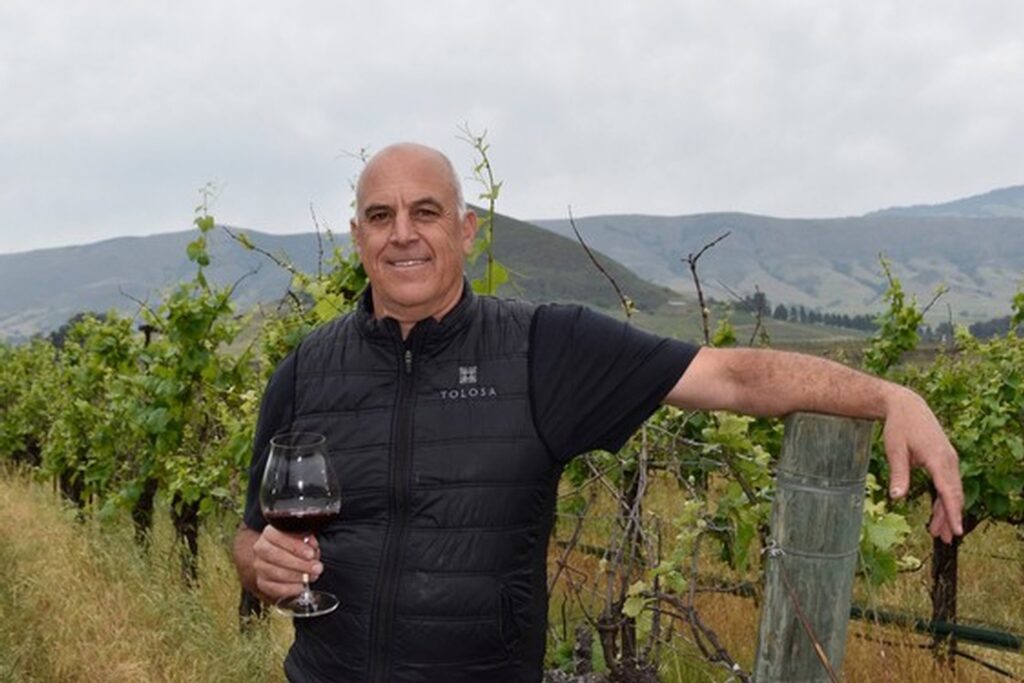
A native Californian, Tolosa winemaker Blake Kuhn graduated from UC Santa Barbara in 1995 with degrees in biology and environmental sciences. He then spent three years traveling the world as a field biologist, studying insects, parasites, and wolves.
Returning to Santa Barbara in 1997, Blake worked on an abalone farm while also taking a position as a waiter at Citronelle, where his passion for wine first took root.
Blake’s 25-year career in the California wine industry began in 2000, when he moved to Northern California to continue his studies in viticulture and enology at UC Davis while accepting an entry-level position with R.H. Phillips / Toasted Head. During his tenure, he advanced from vineyard sampler and lab technician to assistant winemaker and barrel enologist, ultimately being named winemaker in 2003. In this role, he mentored the next generation of assistant winemakers and enologists. By 2009, he was promoted to senior winemaker and general manager, overseeing all aspects of production while helping to manage R.H. Phillips estate vineyard.
In 2011, Blake relocated to California’s Central Coast to raise his young family, crafting the critically acclaimed Clayhouse wines as resident winemaker at Phase 2 Cellars in San Luis Obispo. In 2019, he was promoted to Regional Director of Winemaking for the Central Coast at Vintage Wine Estates, where he oversaw operations for Laetitia Winery and led winemaking efforts for Qupé, Cherry Pie and Horseplay wines, in addition to Clayhouse.
In 2024, Blake embraced the opportunity to collaborate with a dynamic team of colleagues and friends, returning to Phase 2 Cellars as General Manager and Winemaker. In March 2026, he was appointed Winemaker for Tolosa Winery.
Blake’s depth of experience and longstanding connection to the Central Coast make him exceptionally well suited to guide the Tolosa portfolio of Central Coast, SLO Coast, and Single Vineyard wines.
Precision Meets Passion
Winemaking at Tolosa is both an art and a science. While our approach remains deeply intuitive, we embrace cutting-edge technology to amplify nature’s potential. Using infrared vigor mapping and detailed soil analysis, we farm with precision and care, ensuring that each vine receives the attention it needs throughout the growing cycle.
Harvest is a meticulous ritual, conducted in the cool, dark hours of the morning to preserve freshness. Hand-sorted grapes are gently pressed in small-lot basket presses, and fermentation is fine-tuned in a state-of-the-art warm barrel room, allowing each wine to develop its signature complexity and character.
This obsessive attention to detail—from vineyard to bottle—results in wines of nuance, texture, and balance. At Tolosa, each bottle is an invitation to savor the essence of a wines terroir in its purest form.
Vineyard Sources
We partner with the most saught after vineyards throughout California to create our wines.
Apex Vineyard
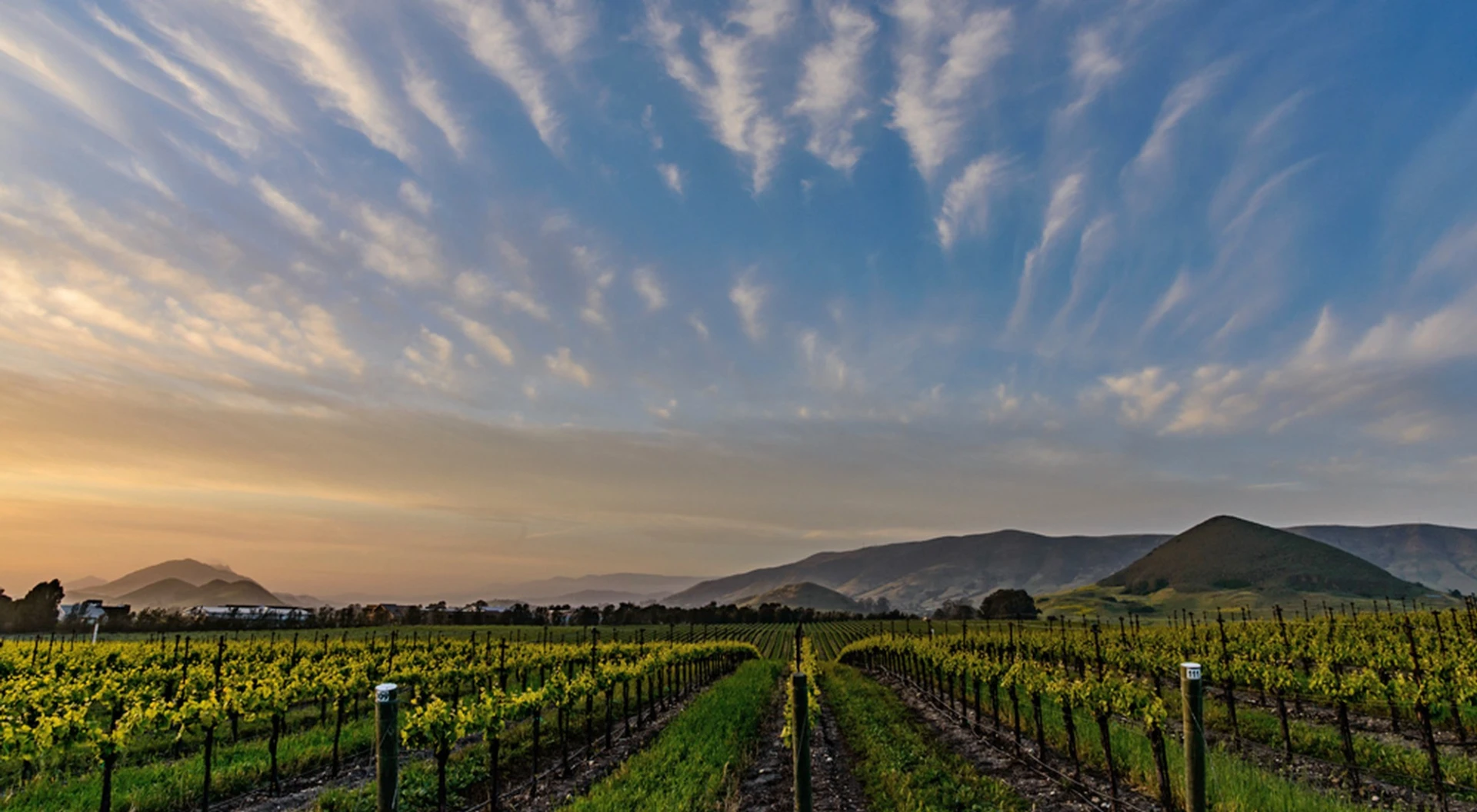
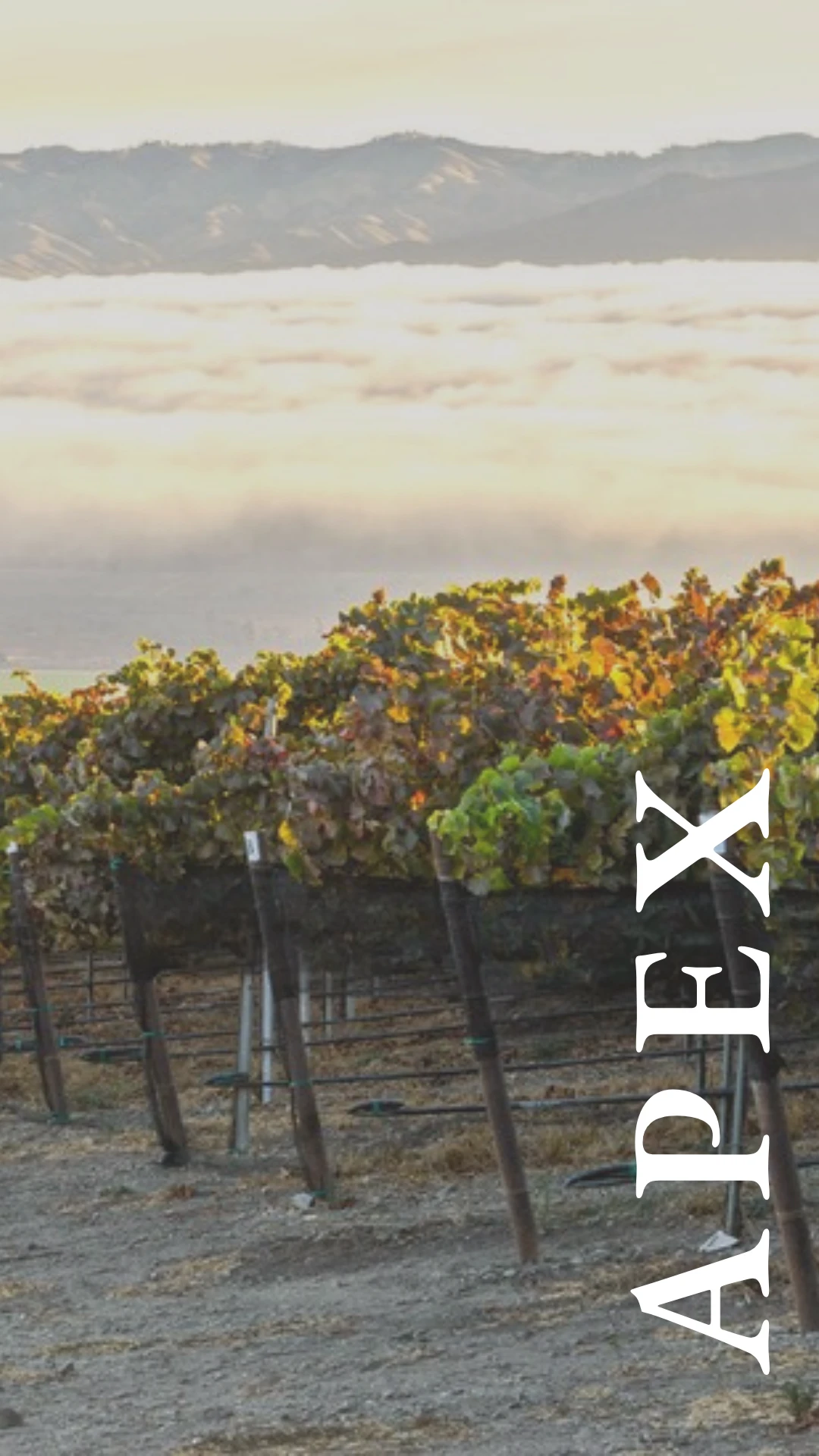
Perched in the Santa Lucia Highlands, Apex Vineyard thrives at high elevation, where coastal breezes and morning fog create ideal conditions for cool-climate varietals. Its well-draining granitic soils and dramatic diurnal shifts produce Pinot Noir and Chardonnay with vibrant acidity, refined structure, and pure site expression.,/p>
Vineyard Details:
Location: Santa Lucia Highlands
Elevation: ~1,250 feet
Soil Type: Granitic, well-draining
Durell Vineyard
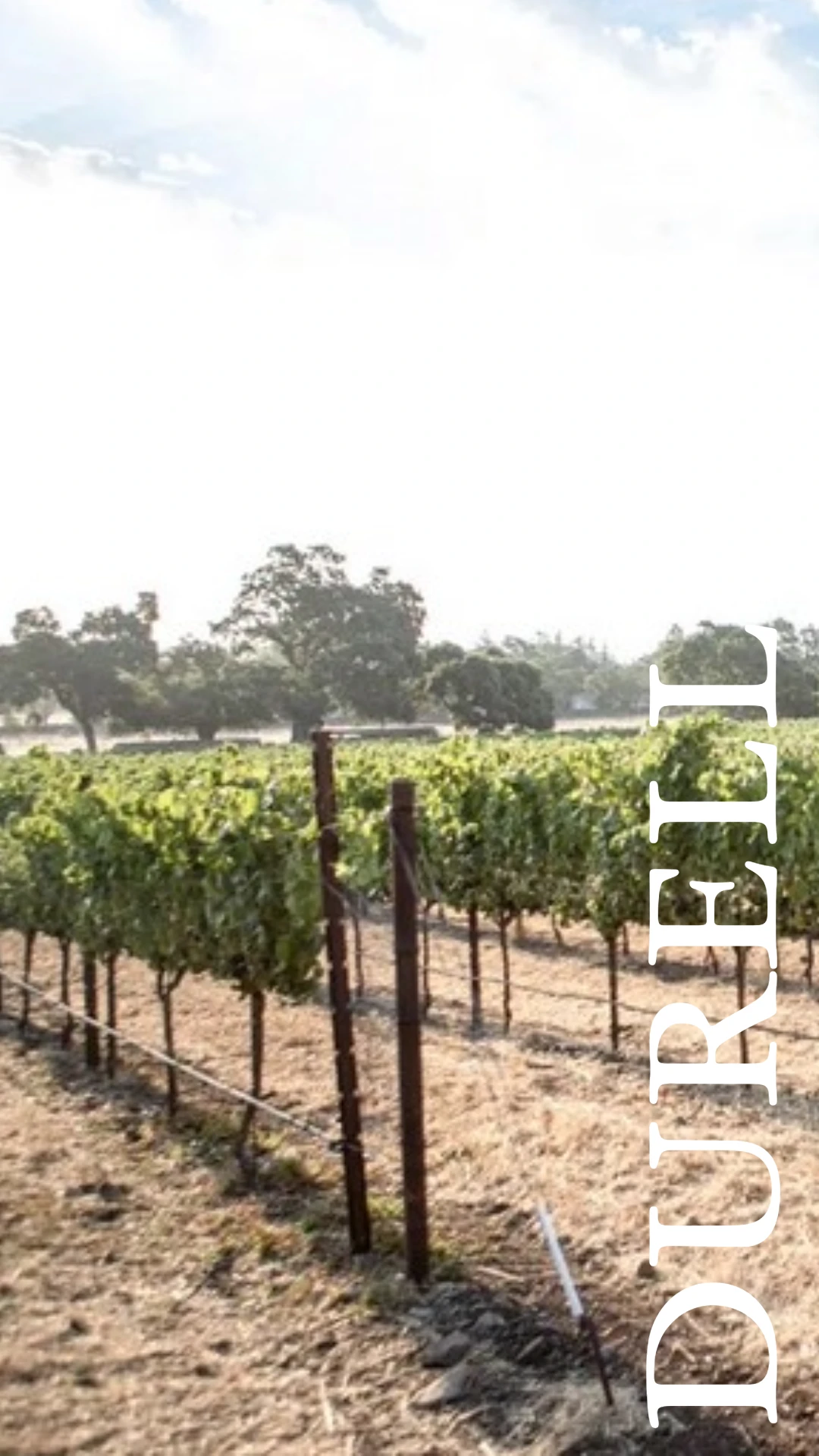
The property sits less than 25 miles inland from the Pacific Ocean, with the northernmost reaches of San Pablo Bay just 10 miles to the south. Both the hills of the Coastal Range and the flats of Sonoma Valley are represented at Durell, their interplay becoming paramount to the vines grown and fruit produced there.
Vineyard Details:
Location: Sonoma Coast, Sonoma Valley, Carneros
Elevation: ~500 feet
Soil Type: Los Robles gravelly clay loam, Tuscan cobbly clay loam, Goulding cobbly clay loam, Clear Lake clay
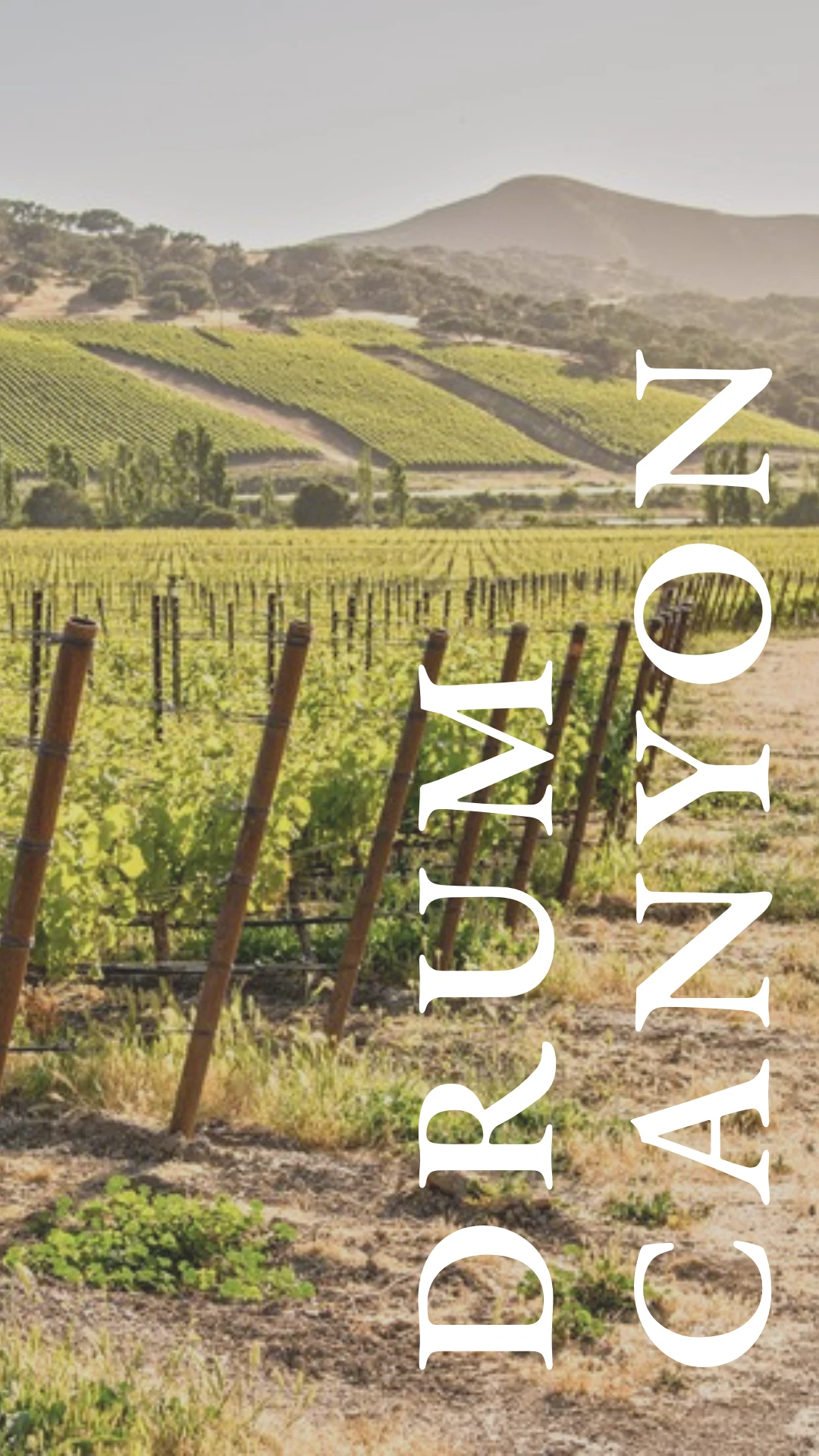
Drum Canyon Vineyard
Set in the Sta. Rita Hills, Drum Canyon Vineyard benefits from strong Pacific winds and a dramatic diurnal shift, creating ideal conditions for Pinot Noir and Chardonnay. The vineyard’s mix of sandy loam and clay soils, combined with its steep hillside terrain, results in wines with intense concentration, vibrant acidity, and a distinct mineral edge.
Vineyard Details:
Location: Sta. Rita Hills, Santa Barbara County
Elevation: 400–600 feet
Soil Type: Sandy loam and clay
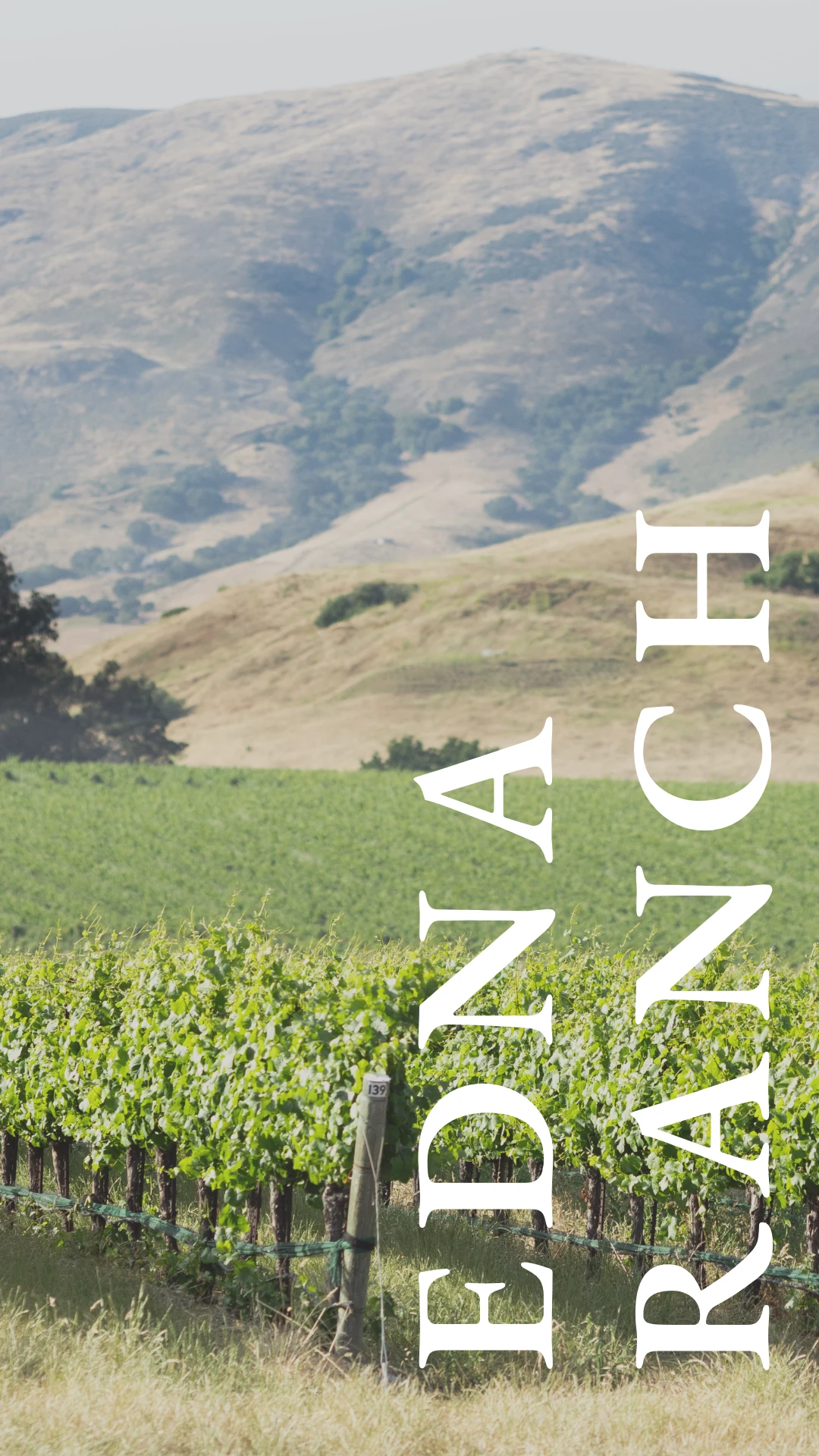
Edna Ranch Vineyard
The home of Tolosa, Edna Ranch is rooted in the heart of Edna Valley, where a rare transverse valley channels cool Pacific breezes. This extended growing season allows for exceptional depth and complexity in the fruit. A patchwork of marine-influenced soils and varying elevations creates distinct microclimates, producing Pinot Noir and Chardonnay with purity, elegance, and vibrant acidity.
Vineyard Details:
Location: Edna Valley, San Luis Obispo Coast
Elevation: 180–750 feet
Soil Type: Marine sediment, shale, clay, and volcanic rock
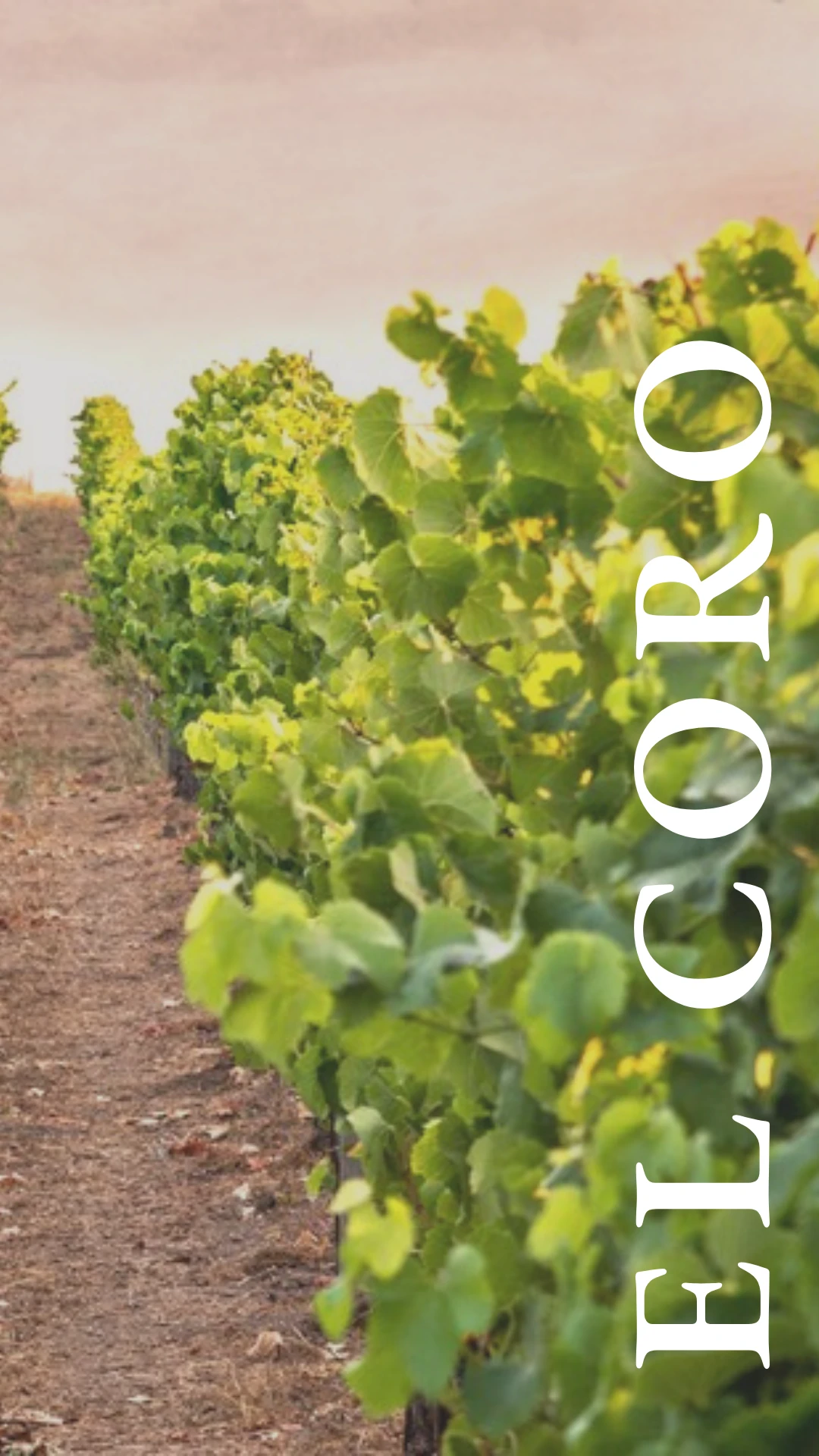
El Coro Vineyard
Situated in the rolling hills of the Petaluma Gap, El Coro Vineyard experiences persistent coastal winds and cool temperatures, fostering a long growing season. The rocky soils and fog influence create Pinot Noir and Chardonnay with bright acidity, refined structure, and a distinctive saline minerality.
Vineyard Details:
Location: Petaluma Gap, Sonoma County
Elevation: ~500 feet
Soil Type: Rocky, well-draining
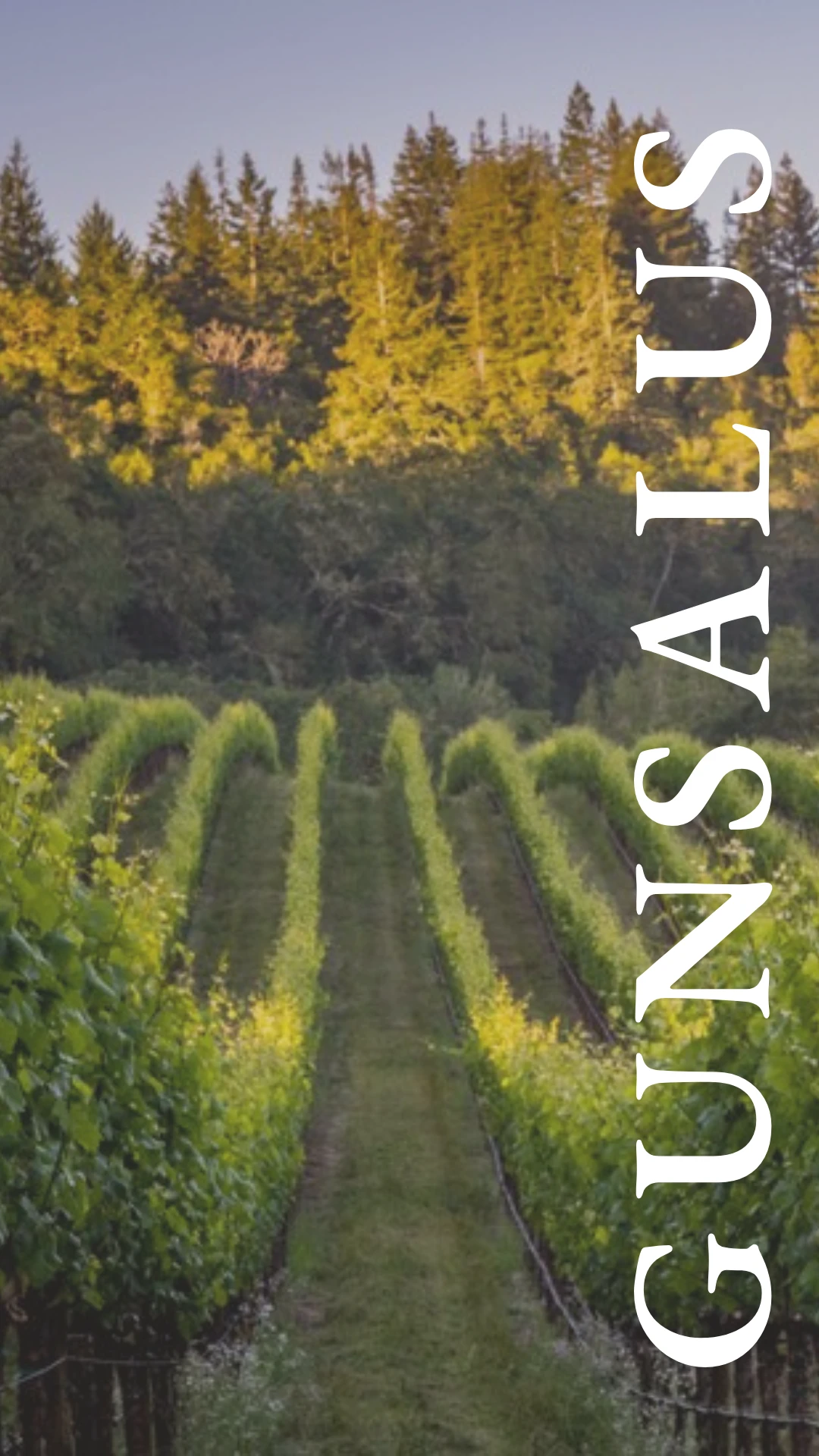
Gunsalus Vineyard
Tucked into the heart of the Russian River Valley, Gunsalus Vineyard benefits from cool morning fog and warm afternoon sun, creating the perfect balance for Pinot Noir. The vineyard’s well-draining Goldridge soils and steady coastal influence yield wines with bright red fruit, silky tannins, and elegant complexity.
Vineyard Details:
Location: Russian River Valley, Sonoma County
Elevation: ~200 feet
Soil Type: Goldridge sandy loam
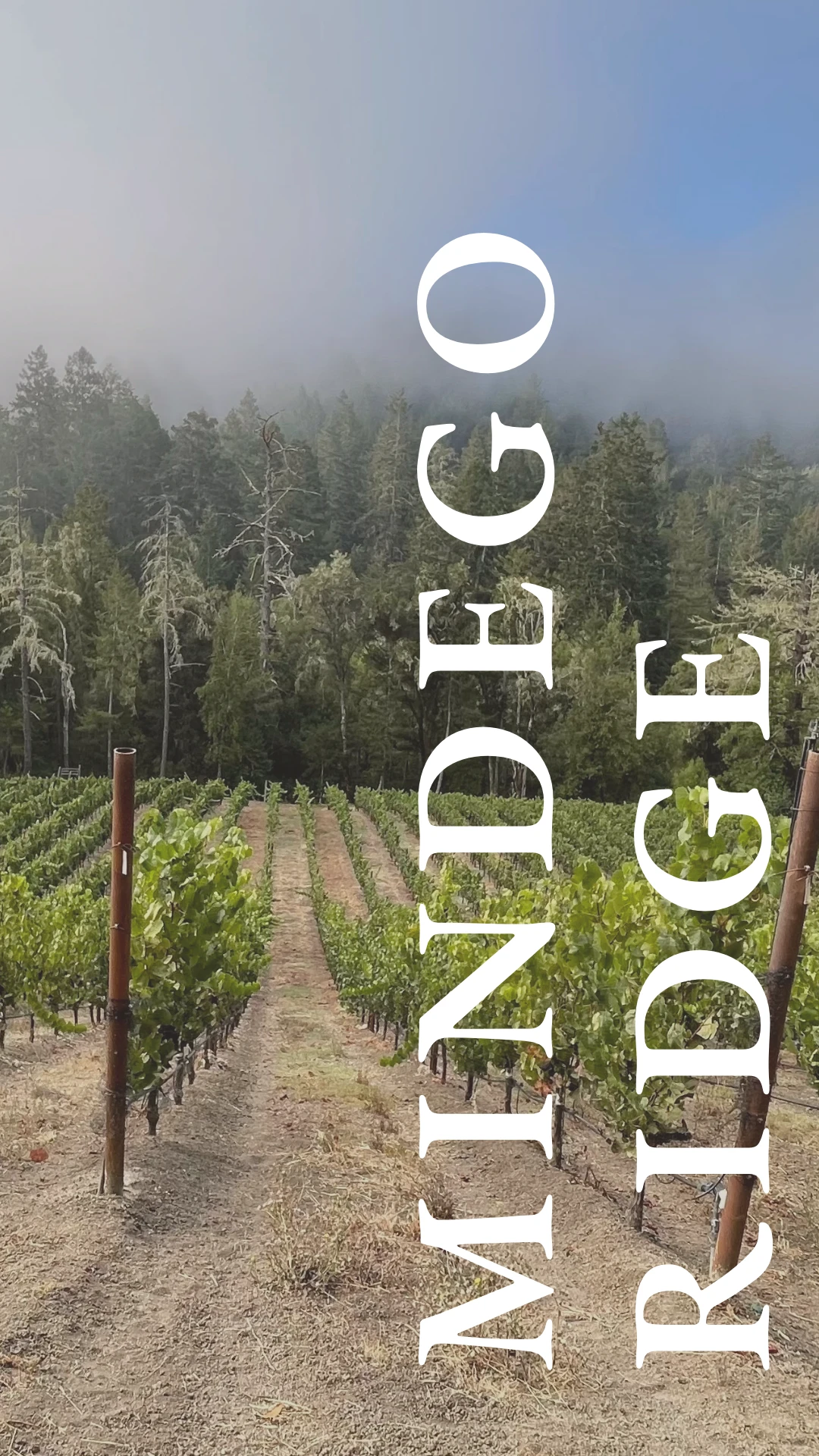
Mindego Ridge Vineyard
Perched on the slopes of the Santa Cruz Mountains, Mindego Ridge is a rugged, coastal-influenced site where fog and ocean breezes shape the fruit’s purity and intensity. The vineyard’s fractured sandstone soils and steep terrain yield Pinot Noir and Chardonnay with vibrant acidity, minerality, and a deep sense of place.
Vineyard Details:
Location: Santa Cruz Mountains
Elevation: ~900 feet
Soil Type: Fractured sandstone
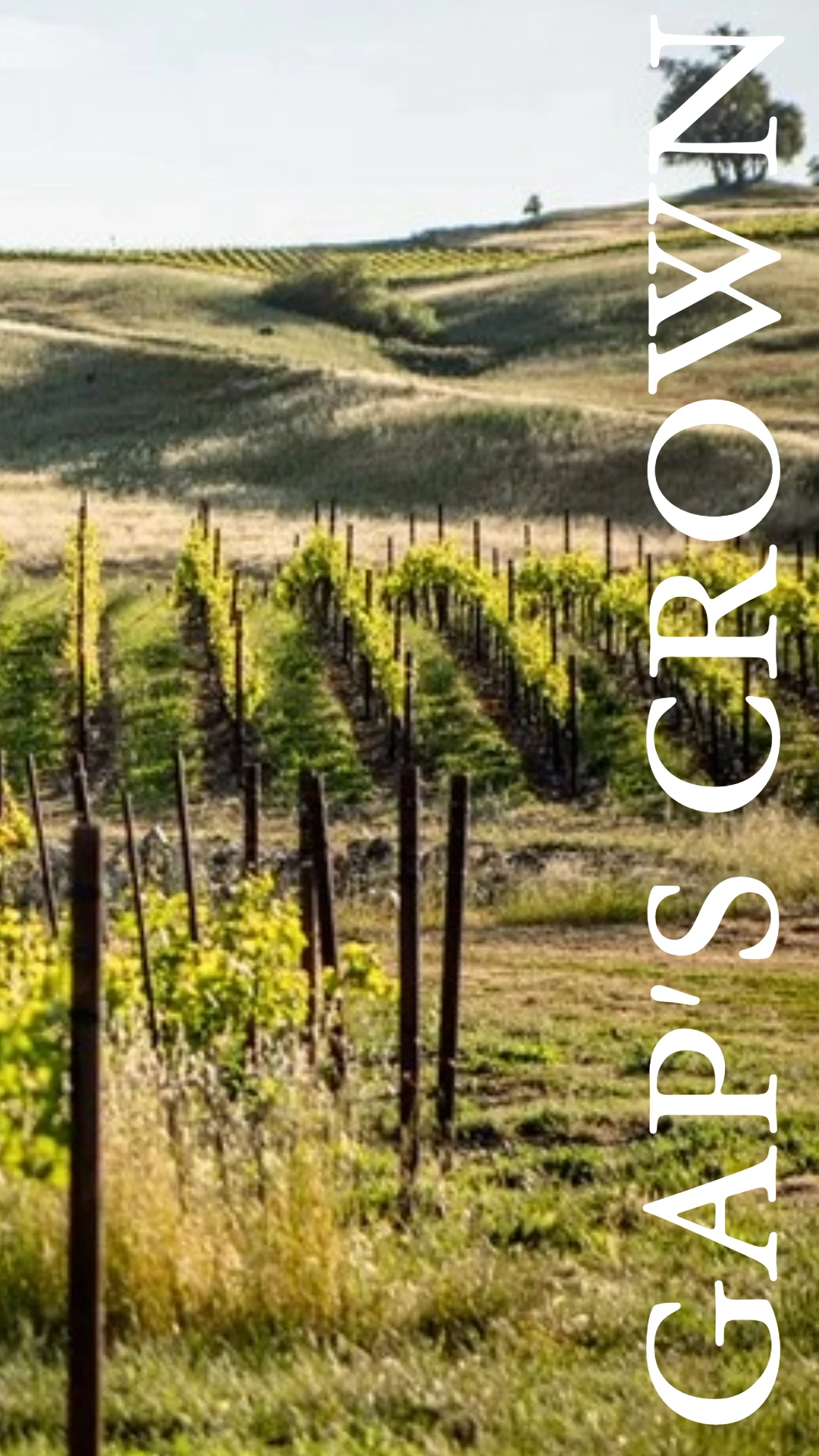
Gap’s Crown Vineyard
This vineyard receives constant wind and fog that tunnel in through the Petaluma Gap and continue out to San Pablo Bay. Established on a relatively steep hillside, the vineyard enjoys a mainly southwest orientation, providing ideal positioning to capture the afternoon sun. Together, these effects create a long hang time in the vineyard and allow for distinct phenolic maturity of the fruit.
Vineyard Details:
Location: Sonoma Coast, Petaluma Gap
Elevation: 310-840 feet
Soil Type: Goulding cobbly clay loam, Goulding-Toomes Complex, Raynor Clay